
maintenance-contracts
What Your Elevator Maintenance Contract Doesn't Cover
By Daniel Van Mil · August 15, 2026 · 6 min read
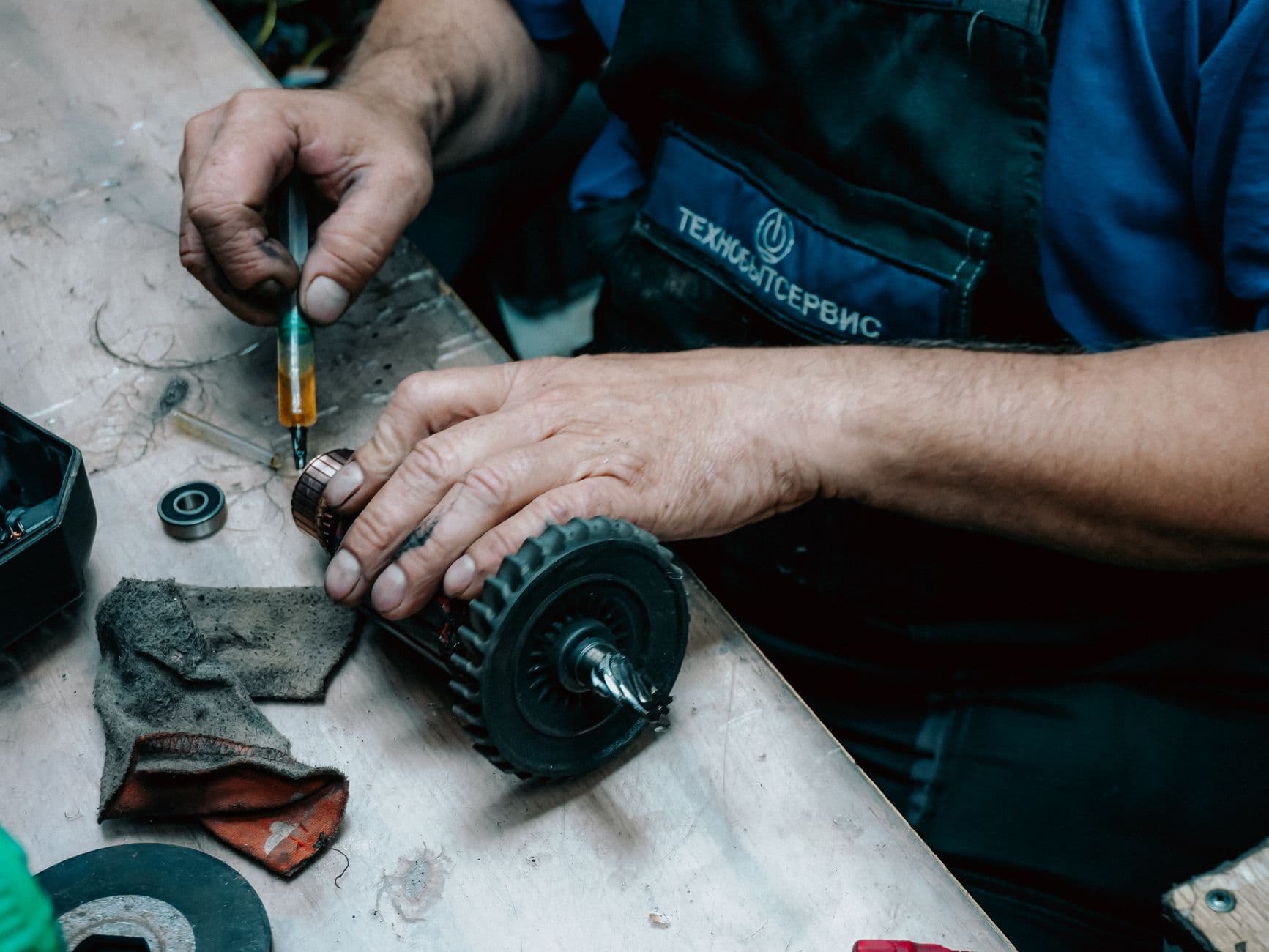
Most elevator maintenance contracts exclude obsolescence, misuse, cab interior finishes, code-driven upgrades, and sometimes hydraulic jacks or governor ropes, exclusions that can turn a routine callback into a five-figure surprise.
Most elevator maintenance contracts don't cover obsolescence, misuse or vandalism, cab interior finishes, code-mandated upgrades, or, on some contracts, hydraulic jacks and governor ropes. These exclusions are standard in the industry, but building owners rarely find out about them until a repair estimate lands that's nowhere near the flat monthly fee they've been paying. Knowing what's excluded before you sign, or before you get surprised, is the difference between budgeting properly and getting blindsided.
Why Exclusions Exist in the First Place
A "full maintenance" contract sounds like it should mean everything is covered. It doesn't. Maintenance contracts are priced to cover routine wear items and preventive service, not catastrophic failures, outdated parts, or damage caused by people. If contracts covered everything without limit, the monthly fee would be two or three times what most buildings pay.
In our experience, the exclusions themselves aren't the problem. Most are reasonable and standard across every major provider, including KONE, Otis, Schindler, TK Elevator, Mitsubishi Electric, and Fujitec. The problem is that the exclusions language is usually buried on page four of a contract nobody reads closely until something breaks. If you want a broader walkthrough of contract structure before you get into exclusions specifically, our guide on what's actually included in an elevator maintenance contract is a good starting point.
Obsolescence: The Big One
Obsolescence means the part that failed is no longer manufactured, and there's no direct replacement. This is far and away the most expensive exclusion, and it's almost universal across contracts regardless of provider.
When a controller board, a specific relay, or a motor generator set from a 1990s-era installation dies and the manufacturer stopped making it a decade ago, your maintenance contract typically won't pay to replace it. You'll get a separate proposal, often in the $15,000 to $60,000 range depending on how much of the control system needs to be swapped out, and sometimes higher if it triggers a fuller modernization scope.
Buildings with equipment older than 20 to 25 years should expect obsolescence exposure to grow every year. If your elevator is showing signs of age, our article on signs your building needs elevator modernization walks through the warning signs before a failure forces the issue.
Misuse, Vandalism, and Acts of Others
Contracts exclude damage caused by anything other than normal operation and normal wear. That includes:
- Vandalism to cab panels, buttons, or fixtures
- Damage from movers overloading the car or failing to pad walls
- Water damage from a pipe break or flooding in the pit
- Power surges or damage from building electrical work
A damaged cab operating panel replacement typically runs $2,000 to $6,000 depending on the fixture style. Pit flooding cleanup and equipment drying, if it goes far enough to need controller replacement, can run considerably higher. None of it is covered under a standard maintenance agreement, and providers will usually document the cause carefully before doing the work, precisely so there's no ambiguity about who pays.
Cab Interiors and Cosmetic Items
Ceiling panels, wall finishes, flooring, handrails, and mirrors are almost never covered under maintenance. These are treated as cosmetic and ownership responsibility, similar to carpet or paint elsewhere in the building. A cab interior refresh, new wall panels, ceiling, flooring, and handrails, typically costs $8,000 to $20,000 per car depending on finish level. That's a capital expense, not a maintenance callback, and it's worth budgeting for separately rather than assuming your service contract will eventually handle it.
Code-Driven Upgrades
When a jurisdiction adopts a new code cycle or an existing code requirement gets newly enforced, your elevator may need upgrades it didn't need last year, things like firefighter's service recall, door restrictor devices, or updated emergency communication systems. Maintenance contracts don't cover these because they're not wear-and-tear repairs, they're compliance mandates that apply regardless of equipment condition.
Costs vary widely depending on scope, from a few thousand dollars for a single device retrofit to well over $50,000 if multiple systems need updating across several cars. If you're unsure whether a recent notice from your provider is actually code-required or optional, our guide on elevator code requirements and what triggers mandatory upgrades breaks down how to tell the difference.
Ropes, Jacks, and the Fine Print Within the Fine Print
This is where contracts genuinely differ from provider to provider, and it's worth reading closely. Some full-maintenance contracts include wire rope replacement and hydraulic jack/cylinder work as covered items. Others exclude them entirely or cover them only up to a certain age or condition threshold, after which they become a separate quoted repair.
Hydraulic jack replacement (including cylinder removal, casing, and sometimes environmental remediation if there's an old buried cylinder) can run $20,000 to $50,000+ per unit. Rope replacement for a traction elevator is less dramatic but still typically $3,000 to $10,000 per car depending on number and length of ropes. If your contract is silent or vague on these two items specifically, that's a red flag worth raising before you sign, not after the jack fails. Our piece on maintenance contract red flags covers this exclusion and several others in more depth.
How to Actually Read Your Contract for This
Don't rely on the sales summary or the cover page. Go to the exclusions section specifically and look for these terms: "obsolete," "no longer manufactured," "misuse," "vandalism," "code compliance," "cosmetic," and the specific words "ropes" and "jacks" or "cylinders." If any of those categories are missing from the exclusions list entirely, that's not necessarily good news, it may just mean the contract is vague enough that the provider will interpret it in their favor when the time comes.
A side-by-side comparison against a second or third bid is one of the best ways to catch inconsistent exclusions language. Our guide on getting competitive elevator bids and actually comparing them has a framework for that comparison.
If you already have a signed contract, or a proposal in hand and want a second opinion before committing, our $499 flat-rate independent review at /elevator-consultation-request covers exactly this: a line-by-line read of exclusions, scope, and pricing against current market benchmarks, with a plain-English report on what's missing and what it could cost you later.
Frequently Asked Questions
Is a "full maintenance" contract really full coverage?
No. "Full maintenance" typically refers to full coverage of routine wear parts within scope, not obsolescence, misuse, cosmetics, or code upgrades. It's a marketing term more than a technical one, and the actual coverage is defined by the exclusions list, not the contract's title.
Can I negotiate these exclusions before signing?
Some of them, yes. Rope and jack coverage in particular is often negotiable, and you can sometimes get obsolescence protection extended for a higher monthly fee if your equipment is relatively young. Our guide on how to negotiate an elevator contract covers which terms typically have room to move.
How do I know if a repair bill is legitimately excluded?
Ask your provider to cite the specific exclusions clause and explain, in writing, why the failure falls under it. If the explanation is vague or the cause of failure isn't clearly documented, it's worth getting a second opinion before authorizing the work.
Does building age affect how much exclusion exposure I have?
Yes, significantly. Buildings with equipment past 20 to 25 years old face much higher obsolescence risk, since parts availability shrinks over time. If you're weighing a full modernization against ongoing repairs, our elevator modernization vs. replacement guide can help frame that decision.
Should I budget separately for excluded items?
Yes. Treat obsolescence, cosmetic refreshes, and code compliance as capital planning items rather than operating expenses. Our elevator capital planning guide has benchmark ranges to help build that budget.
This article is general information, not legal advice; have an attorney review contract language before signing.
Elevator Insight provides professional opinion based on the information provided. We are not an inspector, contractor, or installer.
Disclaimer: Evaluations by Elevator Insight are a professional opinion based on the information provided. We are not an inspector, contractor, or installer.