
Informational · For Property managers
Signs Your Building Needs Elevator Modernization
By Daniel Van Mil · Updated June 25, 2026
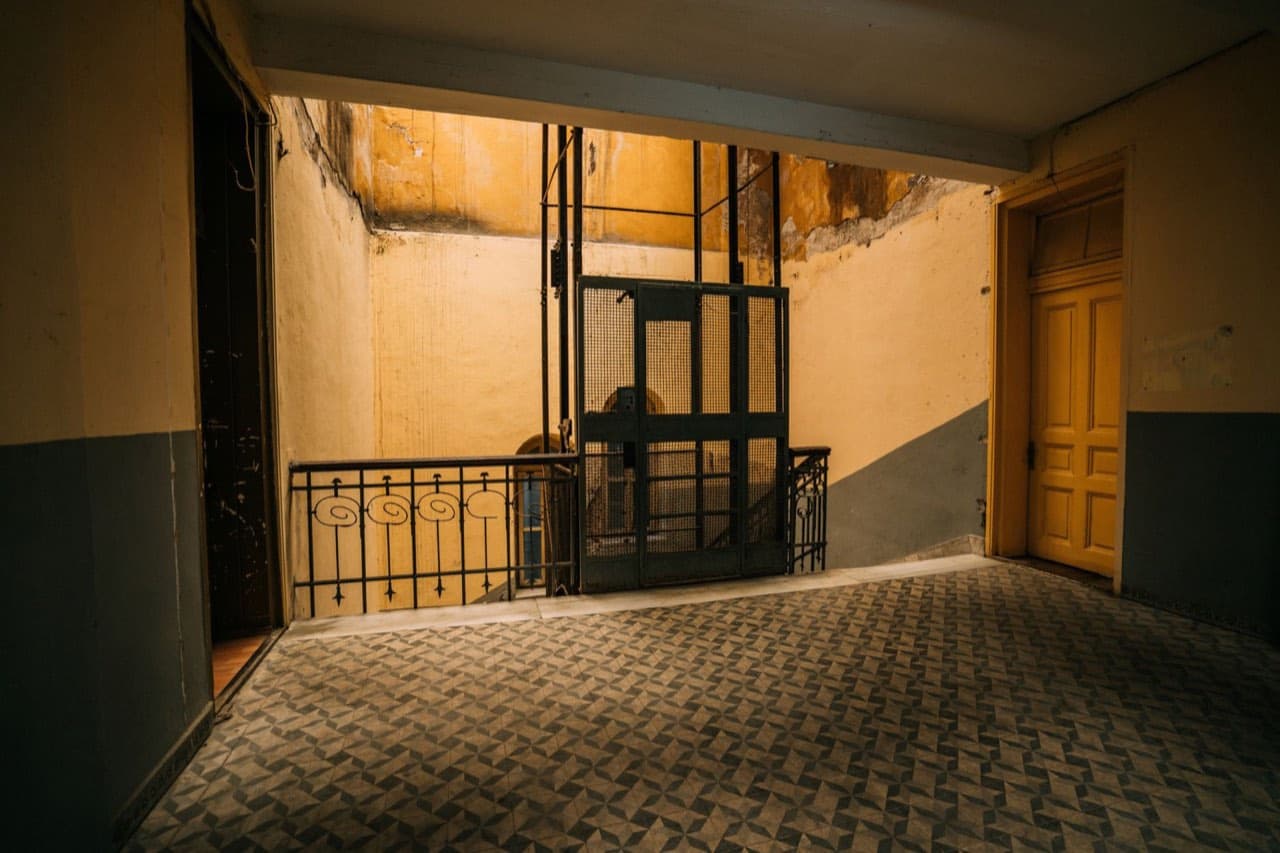
Elevator modernization rarely announces itself with a single dramatic failure. It usually arrives as a slow accumulation of symptoms that are easy to dismiss individually. Recognizing the pattern early lets you plan and budget modernization on your terms rather than reacting to a breakdown. Here are the signs that genuinely indicate modernization is approaching.
Understanding Signs You Need Elevator Modernization
The clearest signs include frequent breakdowns and callbacks, long waits and poor performance, parts that are increasingly hard to source, controls more than 20 years old, rising annual repair spending, code compliance gaps, and difficulty getting competitive maintenance bids because the equipment is proprietary or obsolete. No single sign is decisive, but several appearing together is a reliable indicator that the equipment is reaching the end of its supportable life.
Common Mistakes Property Managers Make
The most common mistake is treating each breakdown as an isolated event rather than recognizing the trend. Another is waiting for a catastrophic failure that forces an emergency modernization at premium pricing with no time to get competitive bids. A third is accepting a vendor's modernization recommendation at face value without confirming that the signs actually support it, since 'your equipment is old' is also a sales line.
An Independent Consultant's Perspective
An independent consultant distinguishes genuine end-of-life indicators from normal aging and from vendor-driven urgency. Sometimes the symptoms point to a maintenance problem rather than a modernization need, which is a far cheaper fix. The value of an independent read is confirming whether the signs are real and whether modernization is the right response or merely the most profitable one for the company suggesting it.
Cost Considerations
Planning modernization proactively, when the signs first appear, lets you budget over time and solicit competitive bids, which typically produces a materially lower cost than an emergency modernization forced by failure. Reactive modernization is almost always the most expensive version of the project.
When to Seek an Independent Review
Get an independent assessment when several of these signs appear together, when a vendor recommends modernization, or when you are building a multi-year capital plan and want to know where the elevator falls in it.
Get an Independent Elevator Review
Elevator Insight provides nationwide, independent elevator consulting and maintenance contract reviews for a flat $499. We help property managers, building owners, REITs, and facility directors determine whether elevator repair, modernization, or maintenance proposals are necessary and fairly priced — with no stake in the work being approved.
Visit elevatorinsight.io or contact daniel@elevatorinsight.io to get started.
Frequently Asked Questions
How do I know if my elevator needs modernization?
Watch for frequent breakdowns, poor performance, hard-to-source parts, controls over 20 years old, rising repair costs, and code gaps. Several of these appearing together is a reliable sign modernization is approaching.
At what age should an elevator be modernized?
Controls and drive systems older than 20 years are common candidates for modernization, though usage, maintenance history, and parts availability matter as much as age.
Is frequent breakdown always a sign of modernization?
Not always. Frequent breakdowns can also indicate a maintenance problem, which is far cheaper to fix. An independent assessment can distinguish a true end-of-life condition from a serviceable one.
Related Reading
Disclaimer: Evaluations by Elevator Insight are a professional opinion based on the information provided. We are not an inspector, contractor, or installer.