
Commercial Investigation · For Building owners
Elevator Modernization vs. Replacement: How to Decide
By Daniel Van Mil · Updated June 25, 2026
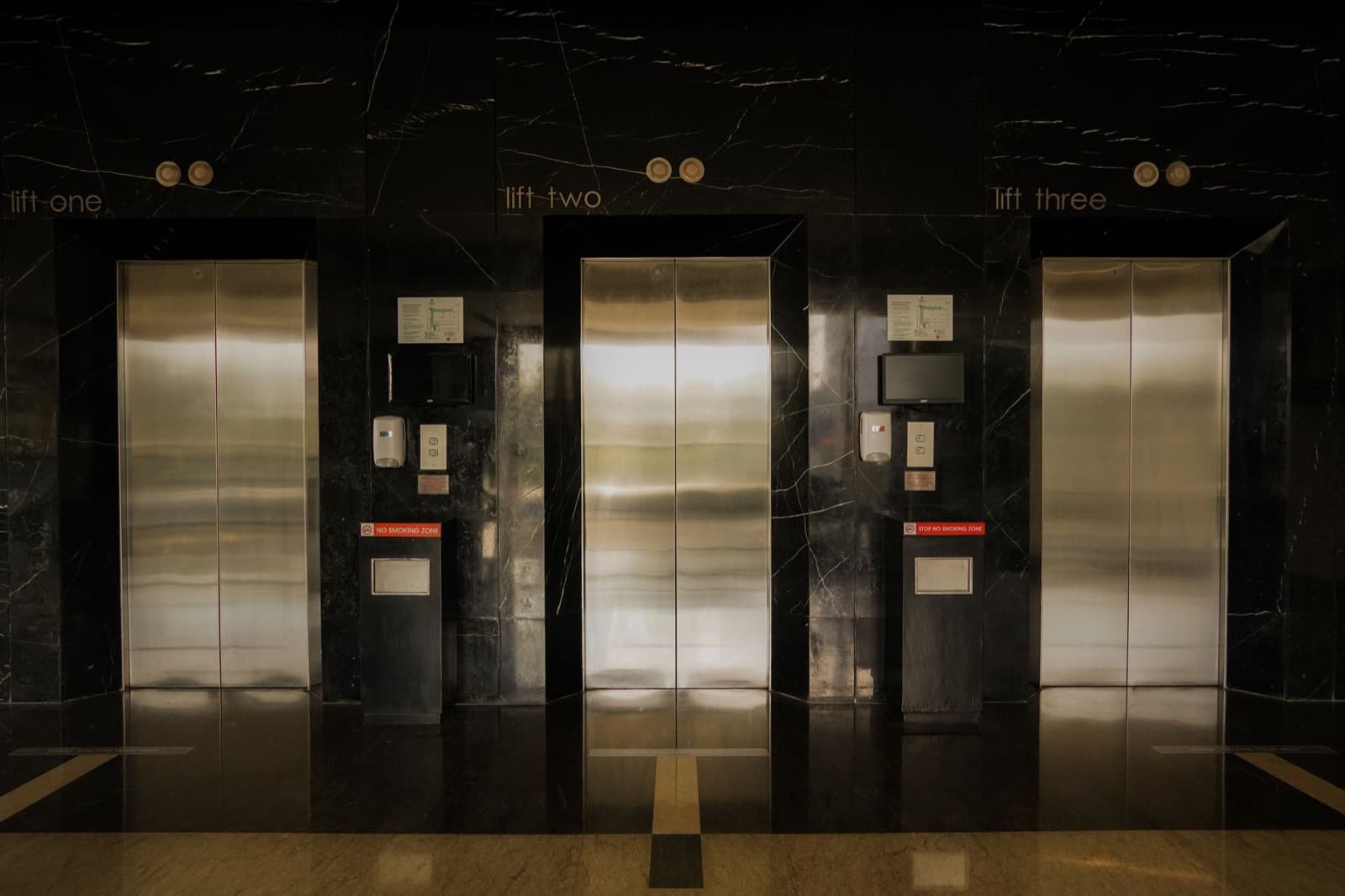
When an elevator reaches the end of its serviceable life, owners are often presented with a choice between modernization and full replacement, and the difference in cost and disruption is enormous. Choosing wrong in either direction is expensive. This guide explains how the decision is actually made and where vendors tend to push owners toward the more profitable option.
Understanding Elevator Modernization Vs Replacement
Modernization replaces aging components while preserving the hoistway and core structure, typically costing 25 to 50 percent of a full replacement. Full replacement involves removing and rebuilding nearly everything, including structural work, and is justified when the hoistway, rails, or car frame are themselves compromised, when the equipment is so obsolete that parts are unavailable, or when a change in building use requires a fundamentally different elevator. For the large majority of mid-life elevators, modernization is the appropriate and far less expensive path.
Common Mistakes Property Managers Make
The most common mistake is being steered toward full replacement when modernization would serve, because replacement is the larger contract. A second is the opposite error, repeatedly patching equipment that is genuinely obsolete and unsupportable, spending more on cumulative repairs than a modernization would have cost. A third is making the decision without an honest assessment of the structural components, which is the actual deciding factor.
An Independent Consultant's Perspective
The deciding question an independent consultant asks is whether the structural and hoistway components are sound. If they are, modernization almost always wins on cost and disruption. If they are not, replacement may be unavoidable. Vendors with a financial interest in the outcome are not the right party to answer that question for you. An independent assessment of the equipment's true condition is what allows the right call.
Cost Considerations
Modernization typically runs $100,000 to $200,000 per elevator; full replacement can run two to four times that once structural work and extended downtime are included. Replacement also carries longer building disruption, which has its own cost in tenant satisfaction and, in commercial buildings, potential lease implications.
When to Seek an Independent Review
Get an independent assessment before committing to either path, particularly when a vendor recommends full replacement, when the equipment is between 15 and 25 years old, or when you are weighing the decision as part of a building sale, refinance, or major capital plan.
Get an Independent Elevator Review
Elevator Insight provides nationwide, independent elevator consulting and maintenance contract reviews for a flat $499. We help property managers, building owners, REITs, and facility directors determine whether elevator repair, modernization, or maintenance proposals are necessary and fairly priced — with no stake in the work being approved.
Visit elevatorinsight.io or contact daniel@elevatorinsight.io to get started.
Frequently Asked Questions
Is it cheaper to modernize or replace an elevator?
Modernization is almost always cheaper, typically costing 25 to 50 percent of a full replacement, because it preserves the hoistway and structural components rather than rebuilding them.
When should an elevator be fully replaced instead of modernized?
Full replacement is justified when the hoistway, rails, or car frame are compromised, when parts for the existing equipment are no longer available, or when a change in building use requires a fundamentally different elevator.
How long does an elevator last before it needs modernization?
Most elevators need modernization around 20 to 25 years of service, though heavy use, deferred maintenance, and parts obsolescence can move that timeline earlier.
Related Reading
Disclaimer: Evaluations by Elevator Insight are a professional opinion based on the information provided. We are not an inspector, contractor, or installer.