
code-compliance
What Is a QEI Inspector, and Why Should Building Owners Care?
By Daniel Van Mil · September 13, 2026 · 6 min read
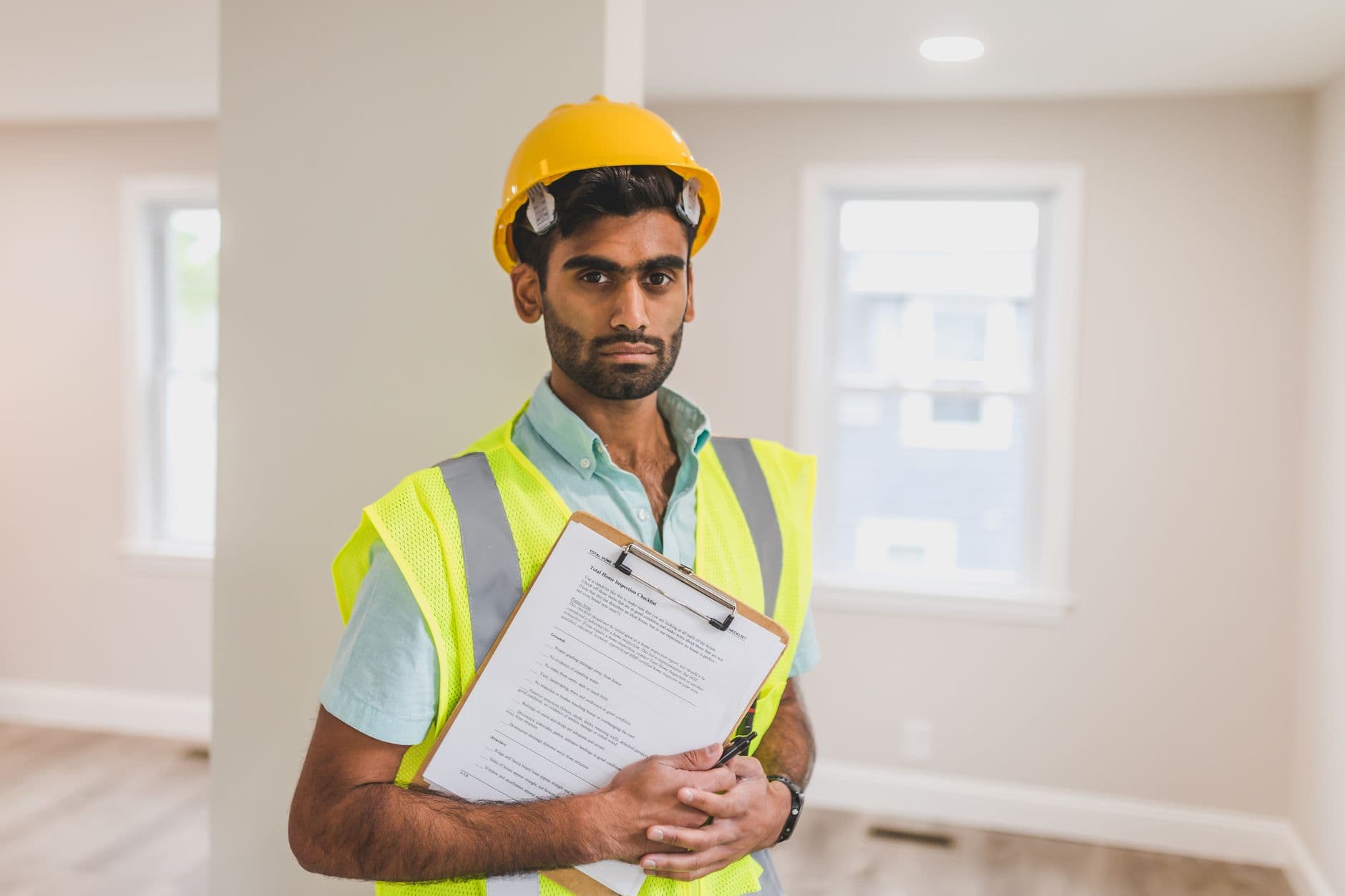
A QEI (Qualified Elevator Inspector) is a nationally certified professional who independently tests and inspects elevators according to code, separate from the company that maintains your equipment. That separation matters because your maintenance contractor has a financial interest in the outcome; your inspector should not.
A QEI, short for Qualified Elevator Inspector, is a professional who holds the QEI-1 certification administered by the National Association of Elevator Safety Authorities (NAESA International). This certification means the individual has passed a rigorous exam covering elevator code (ASME A17.1/CSA B44), safety devices, and testing procedures, and is authorized to conduct the periodic inspections and witness the safety tests that most jurisdictions legally require. In our experience, a surprising number of building owners have never met their QEI inspector and don't realize this person is supposed to be independent of the company that maintains their elevator.
The Inspector Is Not the Same as Your Maintenance Company
This is the single most common point of confusion we run into. Your maintenance contractor, whether it's a national player like Otis, KONE, Schindler, TK Elevator, Mitsubishi Electric, or Fujitec, or a regional independent shop, is responsible for servicing, adjusting, and repairing your equipment. The QEI inspector's job is to check that the work was done correctly and that the elevator meets code.
These are supposed to be two different roles filled, ideally, by two different organizations. In many jurisdictions, the QEI can technically work for the maintenance company, but the trend in code enforcement (and in our recommendation to clients) is toward third-party inspectors who have no financial stake in whether the elevator passes.
Why does that matter? Because if the same company that performs your maintenance is also the one certifying that maintenance is adequate, you've removed the built-in check. It's not that maintenance companies are acting in bad faith. It's that the incentive structure is misaligned, and a good inspection program shouldn't rely on anyone's goodwill to catch problems.
What QEI Inspectors Actually Do
A QEI's core responsibilities generally include:
- Annual and periodic inspections, checking that safety devices, door protection, and mechanical systems meet current code requirements for your jurisdiction and equipment vintage.
- Witnessing safety tests, including the full-load and no-load tests required at set intervals (often every 1 to 5 years depending on equipment type and local code), where things like the governor, safeties, and buffers are physically tested under controlled conditions.
- Documenting deficiencies in a written report that goes to the local Authority Having Jurisdiction (AHJ), which is usually a state or municipal elevator safety division.
- Flagging code violations that may require the owner to schedule repairs or upgrades, sometimes urgently if a life-safety device fails.
The inspection itself typically takes anywhere from 1 to 4 hours depending on the number of cars, their complexity, and whether it's a routine annual inspection or a full 5-year test cycle. Costs for the inspection itself (separate from any repairs it uncovers) commonly run $150 to $500 per unit in most markets, though this varies by state and by whether it's a category 1 (annual) or category 5 (five-year) test.
Why Independence Is the Whole Point
Here's an analogy we use with clients: you wouldn't want the contractor who built your deck to also be the building inspector who signs off on it. The value of an inspection comes from its independence. The same logic applies to elevators, arguably more so, because elevator safety failures can be catastrophic rather than cosmetic.
In practice, we've seen situations where a maintenance company's in-house QEI conducted an inspection that glossed over deferred maintenance items that, coincidentally, would have required additional billable work to fix. We're not suggesting this is common or that it reflects bad faith across the industry. But the structural conflict of interest exists whether or not any individual inspector acts on it, and building owners are often unaware the conflict is even possible.
If you're not sure whether your building's QEI is affiliated with your maintenance provider, ask. It's a fair question, and a legitimate maintenance company should be able to answer it plainly. Some states now require or strongly encourage third-party inspection specifically to remove this ambiguity.
How This Connects to Your Maintenance Contract
Inspection independence doesn't exist in a vacuum. It's usually tied to broader questions about how your maintenance contract is structured, what's actually included in routine service, and whether your provider has an incentive to under-service equipment between inspections. If you haven't reviewed your contract in a while, our guide on elevator maintenance contract review walks through the fine print that tends to hide these issues, and our piece on contract red flags covers specific language patterns worth watching for.
Inspection findings also feed directly into bigger capital decisions. If a QEI report shows repeated code violations or aging components that keep failing tests, that's often the trigger for a modernization conversation rather than another round of patch repairs. Our article on signs your building needs elevator modernization covers what those patterns typically look like from the outside.
When to Bring in a Third Party for the Contract, Not Just the Inspection
A QEI inspector checks whether your equipment meets code. That's necessary but not sufficient. It doesn't tell you whether the maintenance contract you're paying for is priced fairly, whether a proposed repair or modernization is scoped correctly, or whether your contractor is quoting parts and labor at reasonable market rates.
That's a different kind of independent review, and it's the gap we built Elevator Insight to fill. If you've received a proposal, contract renewal, or invoice and you're not sure whether the pricing or scope makes sense, our $499 flat-rate independent review gives you a straight answer from someone with no stake in whether you sign. We're not inspectors and we don't compete with QEI professionals; we look at the business side of the relationship, which is a separate but related problem.
Frequently Asked Questions
Is a QEI inspection the same as a maintenance visit?
No. A maintenance visit is routine servicing performed by your elevator company under your maintenance contract. A QEI inspection is a periodic code compliance check, often required annually or on a multi-year cycle, and it can be performed by someone entirely separate from your maintenance provider.
Who pays for the QEI inspection?
The building owner typically pays for the inspection, either directly to a third-party inspection firm or the local jurisdiction, or sometimes bundled into the maintenance contract. It's worth confirming which arrangement you have, since bundled inspection fees can obscure whether you're getting truly independent oversight.
What happens if my elevator fails a QEI inspection?
The inspector documents the deficiency and it typically must be corrected within a set timeframe set by your local Authority Having Jurisdiction, ranging from a few days for serious safety issues to several months for lower-priority items. Your maintenance company usually performs the repair, and in most jurisdictions a re-inspection confirms it's resolved.
Can I request a specific QEI inspector or firm?
In many jurisdictions, yes, especially where third-party inspection is standard practice rather than mandated by a single state agency. If your building's inspections have always been handled by your maintenance company's own inspector, you can typically request an independent firm; check with your local elevator safety authority for the rules in your area.
Does QEI certification differ from state to state?
The QEI-1 credential itself is a national certification through NAESA, but individual states and municipalities can layer on additional licensing or registration requirements. It's worth confirming your inspector holds both the national certification and any state-specific credential your jurisdiction requires.
This article is general information, not legal advice; have an attorney review contract language before signing.
Elevator Insight provides professional opinion based on the information provided. We are not an inspector, contractor, or installer.
Disclaimer: Evaluations by Elevator Insight are a professional opinion based on the information provided. We are not an inspector, contractor, or installer.