
proposal-review
When to Get a Second Opinion on an Elevator Repair
By Daniel Van Mil · August 22, 2026 · 6 min read
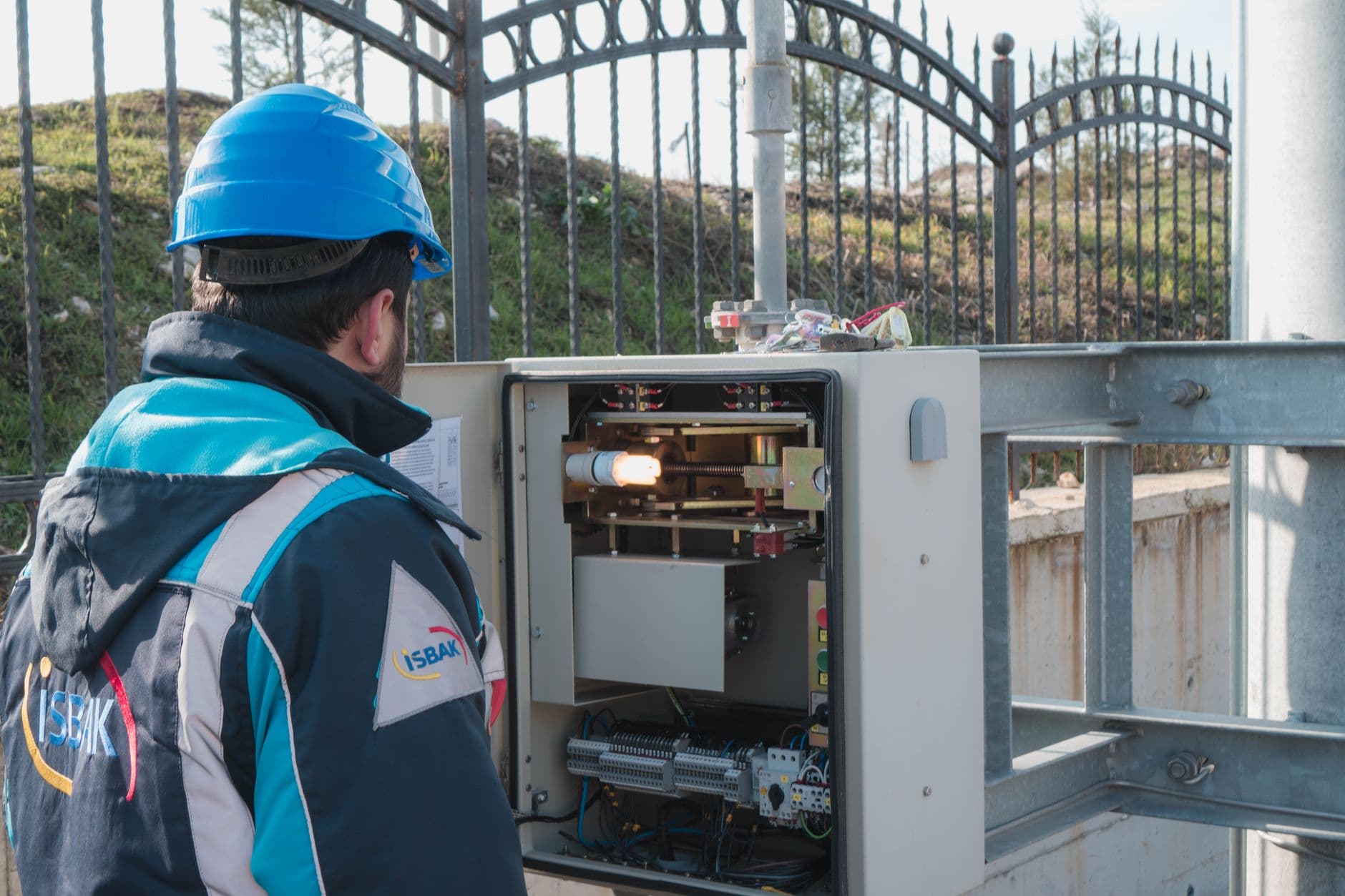
Get a second opinion whenever a repair quote exceeds $10,000, involves a 'must replace' diagnosis, calls for a proprietary part, or is recommended by the same company that maintains your elevator. Any one of those four triggers is reason enough.
Get a second opinion whenever a repair quote crosses roughly $10,000, includes a 'must replace' verdict on a major component, specifies a proprietary part you can't source elsewhere, or comes from the same company that already maintains your elevator. Any single one of these four triggers is enough to justify a review. When two or more show up on the same proposal, treat it as a strong signal to pause before signing.
Most elevator repairs are legitimate and priced fairly. But in 24 years of reviewing proposals, I've seen enough padded quotes and premature replacement calls to know that a handful of situations deserve extra scrutiny every time, regardless of how much you trust your service provider.
Threshold #1: Any Quote Over $10,000
Dollar amount alone doesn't tell you whether a quote is fair, but it does tell you how much is at stake. A $1,200 door operator repair that's overpriced by 30% costs you $360. A $35,000 controller replacement that's overpriced by 30% costs you over $10,000, and that's money you can't easily claw back once the work is done.
We generally recommend a second look at anything above $10,000, and we treat anything above $25,000 as requiring one, no exceptions. At that price point, you're often looking at controller replacement, hydraulic cylinder work, or a package of repairs bundled together. These are exactly the jobs where scope creep and unnecessary line items tend to hide. If you want a broader sense of what these repairs typically run, our elevator repair cost guide breaks down typical ranges by component.
Threshold #2: Any 'Must Replace' Diagnosis
This is the one that costs building owners the most money, and it's the one we see most often. A technician tells you a part 'can't be repaired' or 'is no longer supported' and that the whole unit needs modernization. Sometimes that's true. Sometimes it's a shortcut to a much bigger job.
Controllers, hydraulic units, and even some motor assemblies are frequently repairable well past the point where a vendor first suggests replacement. In our experience, when a full modernization is pitched as the only option in response to a single component failure, it's worth asking a second party whether a targeted repair could extend the equipment's life another 5 to 10 years for a fraction of the cost. If you're weighing that bigger decision, modernization vs. replacement is worth reading before you commit either way, and our modernization cost guide lays out what a full project actually runs in 2026.
Threshold #3: Any Proprietary Part
Proprietary parts are components designed and sold only by the original manufacturer, with no compatible aftermarket or third-party equivalent. When a proposal calls for one, you lose your ability to shop the repair, because only that manufacturer (or its authorized dealer) can supply it.
This isn't automatically a red flag. Some proprietary components genuinely have no substitute. But proprietary parts are also where pricing tends to run highest, since there's no competing bid to keep the number honest. A second opinion here isn't about finding a cheaper part, it's about confirming the part is actually necessary and that the labor and markup attached to it are reasonable for the equipment involved, whether it's a KONE, Otis, Schindler, TK Elevator, Mitsubishi Electric, or Fujitec unit.
Threshold #4: Repairs Recommended by Your Maintenance Provider
This is the trickiest one, and I say that as someone who spent years on the maintenance side of this business. Most maintenance companies are honest, and most technicians flag real problems because they genuinely don't want a callback or a breakdown on their watch.
But the company maintaining your elevator has an inherent conflict of interest when it also proposes the repair. They set the diagnosis, they write the quote, and they perform the work, with no independent check at any step. That doesn't mean the recommendation is wrong. It means nobody outside that company has confirmed it's right. This is especially worth watching if you've already had questions about your maintenance agreement; our guides on maintenance contract red flags and what's actually included in a maintenance contract cover related warning signs worth knowing before repair conversations even start.
What a Second Opinion Actually Involves
A second opinion doesn't require sending a competing contractor to re-inspect your elevator, which most buildings don't have time for and most vendors won't do for free anyway. It usually means having an independent expert, someone with no stake in whether the repair happens, review the paperwork you already have:
- The written proposal or quote itself
- Any diagnostic notes or photos from the technician
- Your current maintenance contract
- Recent service history or callback records
From there, an experienced reviewer can usually tell within a few days whether the diagnosis matches the evidence, whether the pricing is in line with market benchmarks, and whether there's a lower-cost path being skipped over. For a general framework on evaluating any quote, not just the borderline ones, see is my elevator proposal fair.
When to Just Call for a Second Opinion
If your proposal hits any of the four thresholds above, don't wait for a second or third quote to come in on its own. Getting competitive bids is valuable (here's how to do that well), but it takes weeks, and it doesn't solve the core problem of not knowing whether the diagnosis itself is accurate.
This is where our $499 flat-rate independent review comes in. We look at your actual proposal, contract, or invoice, no site visit required, and tell you plainly whether the price and diagnosis hold up, what questions to ask before signing, and where there's room to push back. You can request a review here. For most buildings, the review costs a small fraction of what it can save on a single questionable repair.
Frequently Asked Questions
Is it rude to get a second opinion on a repair from my current elevator company?
No. Getting a second opinion on a $15,000 recommendation is no different than getting one on a major medical procedure. Reputable maintenance companies expect it and won't hold it against you; if a vendor reacts poorly to the idea, that reaction tells you something too.
How long does an independent review take?
Most proposal reviews can be completed within a few business days once we have the paperwork, since there's typically no site visit involved. Emergency situations can sometimes be turned around faster; ask when you submit your request.
What if the second opinion agrees with the original quote?
That happens often, and it's a good outcome. You move forward with confidence instead of nagging doubt, and you have documentation showing the board or ownership exercised due diligence before approving a major expense.
Does a second opinion void my maintenance contract or warranty?
Generally no. Requesting a paper review from an independent consultant isn't the same as bringing in a competing contractor to perform work, so it typically doesn't trigger warranty or contract language. It depends on your equipment age and contract terms, though, so it's worth checking your agreement, and our maintenance contract review guide walks through what to look for.
Can a second opinion help during a building sale?
Yes. Buyers and sellers both benefit from an independent read on outstanding repair recommendations before a deal closes, which is a common piece of elevator due diligence in commercial and multifamily transactions.
This article is general information, not legal advice; have an attorney review contract language before signing.
Elevator Insight provides professional opinion based on the information provided. We are not an inspector, contractor, or installer.
Disclaimer: Evaluations by Elevator Insight are a professional opinion based on the information provided. We are not an inspector, contractor, or installer.