
modernization
How Long Does Elevator Modernization Take? A Realistic Timeline
By Daniel Van Mil · July 19, 2026 · 7 min read
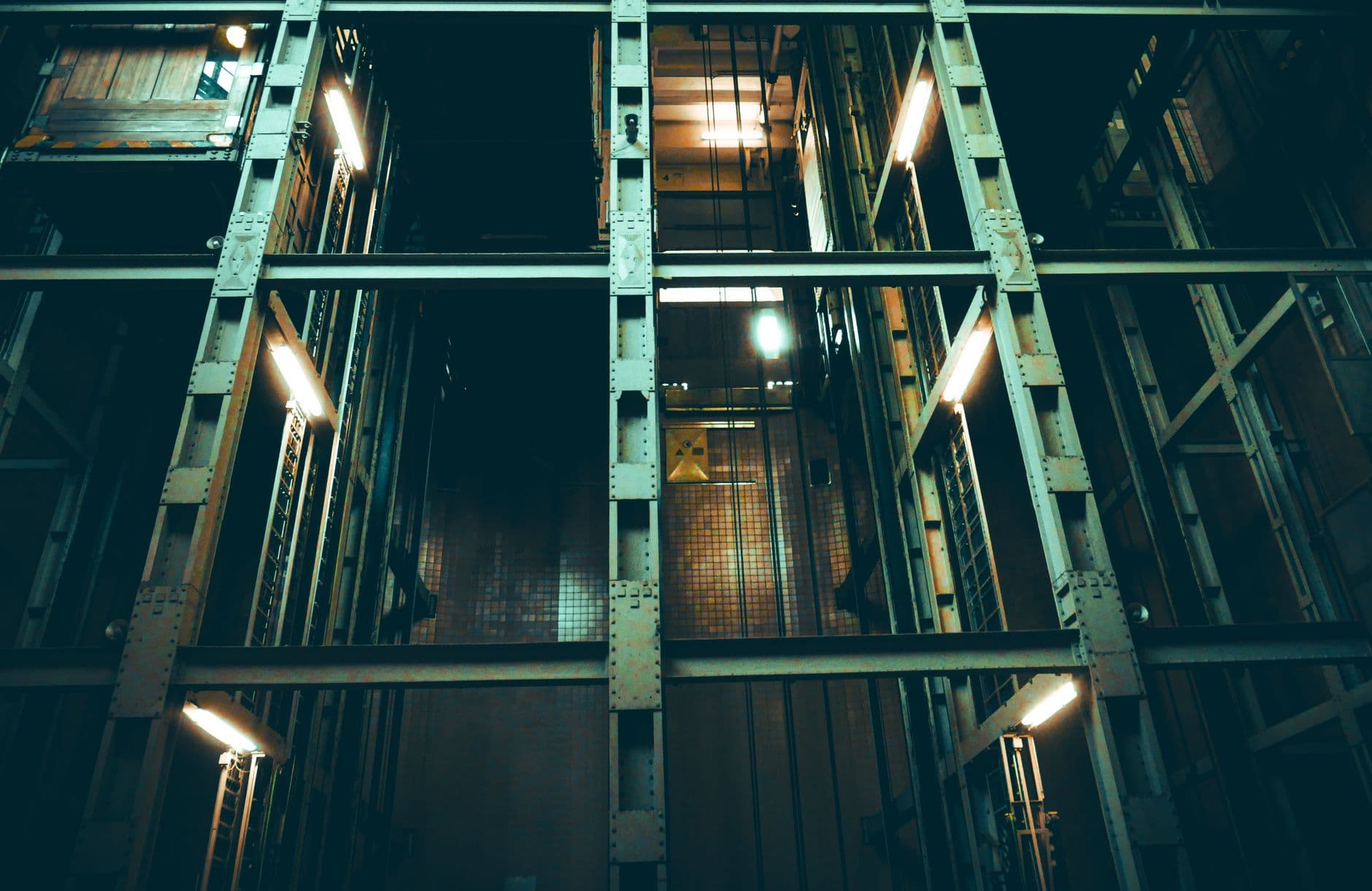
A single-car elevator modernization typically takes 8 to 14 weeks of actual downtime once work begins, but the full process from signed proposal to final inspection usually runs 6 to 14 months because controllers and other custom components can take 6 to 12 months to manufacture and ship.
Most building owners are shocked to learn that the elevator car itself is only down for 8 to 14 weeks during a modernization, but the total project, from signed contract to final inspection sign-off, can stretch to 6, 12, or even 18 months. The gap between those two numbers is almost always lead time on parts, particularly controllers, and it's the single most misunderstood part of any modernization schedule.
In our experience reviewing proposals for building owners, the timeline confusion causes more frustration than the actual construction. Boards approve a project expecting downtime to start next month, then learn the controller won't arrive for eight months. That's not a contractor failing you. That's the current state of the elevator supply chain, and it needs to be built into your planning from day one.
Why Lead Times Are the Real Bottleneck
Modern elevator controllers are essentially custom-built computers that manage every function of the car: dispatching, door operation, safety circuits, communication with the building's fire and security systems. They are not off-the-shelf parts sitting in a warehouse.
Depending on the manufacturer and how customized your system is, expect:
- Controllers: 6 to 12 months from order to delivery, sometimes longer for less common configurations
- Door operators and fixtures: 3 to 6 months
- Hoist ropes, hydraulic components, and cab interiors: 2 to 4 months, though these can often overlap with controller lead time
This is true whether you're working with KONE, Otis, Schindler, TK Elevator, Mitsubishi Electric, Fujitec, or a regional independent modernization firm. Supply chain pressure has eased somewhat since the pandemic-era peak, but 6 to 12 months for controllers remains the honest range in most markets as of this writing. Any proposal that promises a controller in 6 weeks deserves a second look, and it's worth having someone outside the sales process confirm that number before you sign. If you haven't already compared how your quote stacks up against typical numbers, our guide on elevator modernization cost is a useful companion to this one.
The Actual Construction Window: 8 to 14 Weeks Per Car
Once parts are on site and the crew mobilizes, the physical work of modernizing a single car typically takes 8 to 14 weeks. That window covers:
- Demolition of old equipment (controller, machine, wiring, fixtures)
- Installation of new controller, machine (if replacing), and wiring
- Cab interior work if included in scope
- Adjustment and testing (getting the car running smoothly and safely)
- Inspection and certification by the local authority having jurisdiction
The low end of that range applies to relatively straightforward controller and fixture upgrades on a car in reasonably good mechanical condition. The high end applies when the scope includes full machine replacement, hydraulic-to-traction conversions, or when inspectors find issues during testing that require rework. I've seen jobs that were quoted at 10 weeks stretch to 16 because a hidden shaft condition wasn't discovered until demolition started, which is exactly why a thorough pre-project survey matters as much as the contract price.
Phasing in Multi-Car Buildings
If your building has more than one elevator, and most do, the contractor will almost always phase the work rather than take every car down at once. This is standard practice and it's the right approach for keeping a building functional, but it does stretch the total calendar significantly.
A typical three-car building modernization might run like this:
- Car 1: 10 to 12 weeks down, others running
- Car 2: 10 to 12 weeks down, starts after Car 1 is back in service (or with a short overlap)
- Car 3: 10 to 12 weeks down, same pattern
That puts total construction time at 30 to 36 weeks even though any single car is only down for a fraction of that. Add the 6 to 12 month lead time on controllers before phase one even starts, and a three-car building modernization can realistically run 12 to 18 months from signed proposal to final completion.
Some contractors offer to order all controllers at once to shrink the calendar, which can help, but it also means committing capital and locking in scope earlier. Ask specifically how phasing will be sequenced and what happens if a problem surfaces on Car 1 that could affect the schedule for Cars 2 and 3. This is one of the areas where it pays to get more than one bid; our guide on getting competitive elevator bids covers how to compare phasing plans, not just price, across proposals.
Tenant and Resident Communication
A modernization schedule that looks fine on paper can still generate weeks of complaints if residents and tenants aren't told what's coming. In our experience, buildings that communicate proactively have far fewer disputes and far less pressure on the board or management to rush the work.
At minimum, plan to:
- Notify residents at least 30 days before the first car goes down, with the full phased schedule if you have it
- Post signage at each entrance and elevator lobby during active work, updated as the schedule shifts
- Designate a point of contact for accessibility concerns, especially for residents who rely on the elevator for mobility reasons
- Send progress updates at the start of each new phase, not just at the beginning of the project
Buildings with only one elevator face the hardest communication challenge, since there's no backup car during the 8 to 14 week window. If that's your situation, it's worth discussing with your contractor whether temporary measures, like a portable lift for immobile residents, are realistic for your building's layout. For a broader look at keeping a building livable during any extended outage, see how to manage elevator downtime.
How to Build a Realistic Schedule Into Your Contract
A good proposal should include a written schedule, not just a start date. Before you sign, make sure it specifies:
- Expected lead time for controllers and major components, with the manufacturer's confirmed (not estimated) delivery window
- Per-car downtime duration
- Sequencing plan for multi-car buildings, including any overlap between phases
- What happens if delivery is delayed (does the contract include liquidated damages, or is the timeline purely aspirational?)
- Who is responsible for tenant notifications, you or the contractor
Most of the timeline disputes we see stem from proposals that never nailed these details down in writing. If you want a second opinion on whether a proposed schedule is realistic for your equipment and building, that's exactly the kind of question our $499 flat-rate independent review is built to answer. We'll tell you plainly whether the timeline in front of you matches what's typical for your scope, or whether it's been oversold to win the bid.
Frequently Asked Questions
Can modernization be done faster if I pay more?
Sometimes, but it depends on where the bottleneck is. If the delay is controller manufacturing, paying a premium can occasionally move you up in a manufacturer's production queue, but it rarely shortens lead time by more than a few weeks. If the delay is contractor scheduling rather than parts, expediting is more realistic.
What happens if my elevator breaks down during the lead-time waiting period?
Your existing maintenance contract should still cover repairs until modernization work actually begins, so it's worth confirming that coverage doesn't lapse early. If breakdowns become frequent while you wait, our guide on why your elevator keeps breaking down walks through what's normal wear versus a sign the timeline should be accelerated.
Does modernization take longer than a full replacement?
Not necessarily. A full replacement can sometimes take longer for demolition and shaft work, but modernization projects often carry similar or longer overall timelines because they frequently reuse existing rail and shaft infrastructure that requires careful integration with new controls. Our comparison of modernization versus replacement breaks down when each approach makes sense for your building's age and condition.
Should I worry if my contract doesn't include a schedule at all?
Yes. A proposal without a written schedule, including lead-time estimates and per-car downtime, is missing information you need to plan tenant communication and budget for disruption. Ask for it in writing before signing, and if the contractor can't provide a reasonable timeline, treat that as a caution flag.
How much of the delay is actually the contractor's fault?
In most cases, very little. The 6 to 12 month controller lead time is largely a manufacturing reality across the industry, not a contractor-specific issue. Where contractors do control the outcome is in phasing efficiency, crew scheduling, and how honestly they communicate delays as they happen.
This article is general information, not legal advice; have an attorney review contract language before signing.
Elevator Insight provides professional opinion based on the information provided. We are not an inspector, contractor, or installer.
Disclaimer: Evaluations by Elevator Insight are a professional opinion based on the information provided. We are not an inspector, contractor, or installer.