
city-costs
Elevator Maintenance Cost in New York City: What Buildings Actually Pay
By Daniel Van Mil · July 25, 2026 · 6 min read
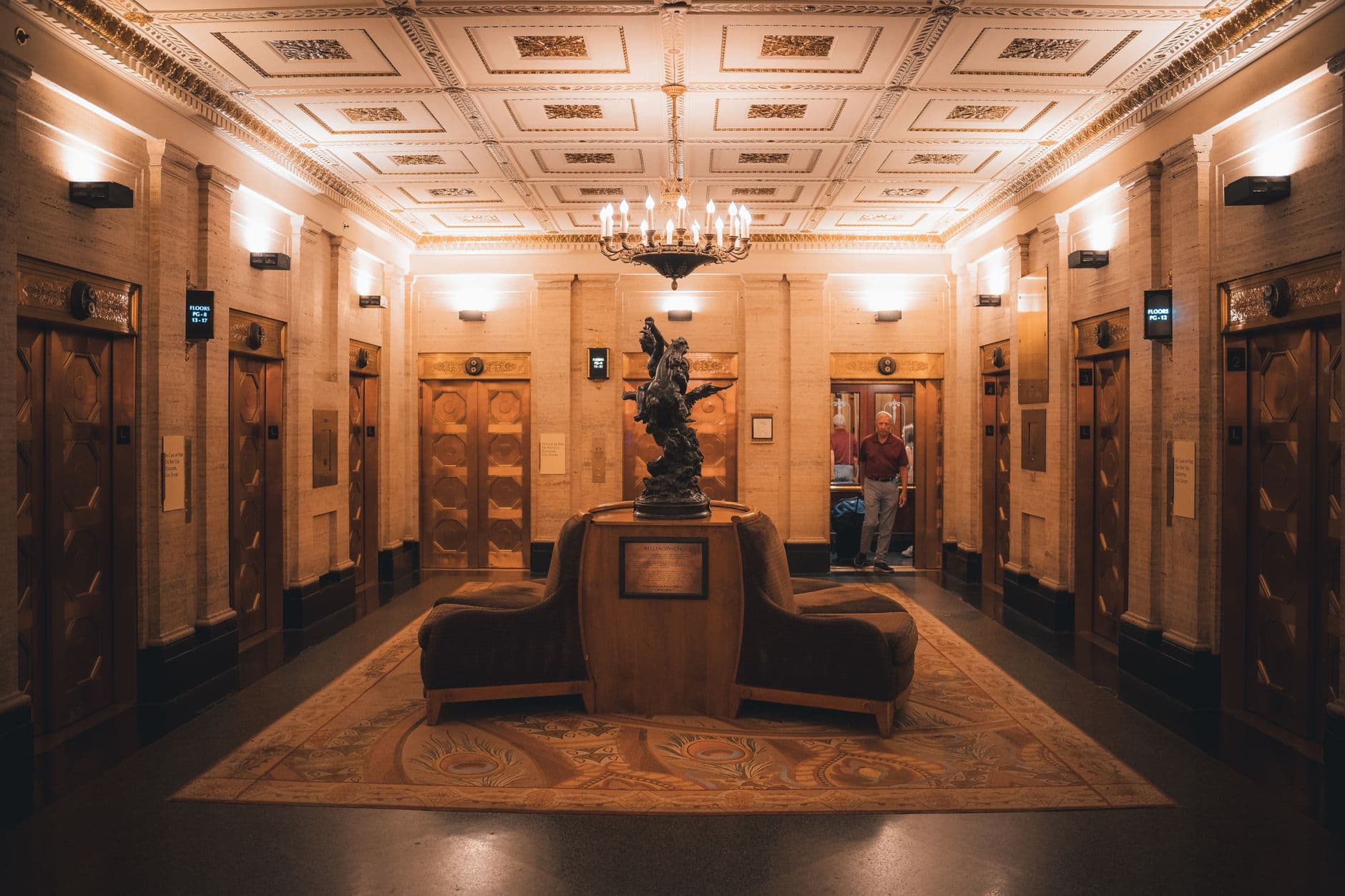
Full-service elevator maintenance in New York City typically runs $650 to $1,800 per elevator per month, roughly double to triple what buildings pay in most other U.S. metros, driven by union labor rates, Local Law inspection burdens, and building density.
Full-service elevator maintenance in New York City typically costs $650 to $1,800 per elevator per month, depending on borough, building type, and equipment age. That's roughly two to three times what a comparable building in Dallas, Denver, or Charlotte would pay for the same scope of work. The gap comes down to three things: union labor rates, the city's aggressive inspection and testing requirements, and a market where a handful of large contractors control most of the volume.
We've reviewed hundreds of NYC maintenance contracts over the years, and the range above holds up across most of the portfolio we see, from prewar walk-up buildings in Brooklyn to Class A office towers in Midtown. But "typical" doesn't mean every price in that range is fair for what a given building is actually getting.
Why NYC Runs 2-3x the National Average
Three structural factors set New York apart from almost every other U.S. market.
Union labor. Most NYC elevator mechanics work under IUEC Local 1 agreements, and the wage and benefit package is among the highest in the country. A fully loaded mechanic hour (wages, benefits, pension contributions) in the five boroughs commonly runs 30 to 50 percent above national union averages, and far more compared to non-union markets in the Sun Belt or Midwest.
Local Law and DOB testing. New York City requires Category 1 (annual) and Category 5 (5-year) elevator safety tests under Local Law, filed through the Department of Buildings. Category 5 tests alone, which include no-load and full-load safety testing, often run $2,500 to $6,000 per elevator when you include the required witness testing and any repairs found during the test. Buildings also pay for Periodic Inspection filings and, in many cases, a third-party inspection agency fee separate from the maintenance contractor. None of this is optional, and it adds real annual cost that buildings outside NYC simply don't carry.
Density and access. Manhattan buildings with bank-of-elevator configurations, tight machine rooms, and limited loading dock access all add labor time. A mechanic working in a 40-story tower with restricted freight elevator access to reach the machine room spends more time per call than one working in a suburban low-rise with a walk-in penthouse machine room.
What a Typical NYC Contract Actually Includes
Monthly maintenance pricing varies a lot by what's actually covered. A contract quoted at $700 a month and one quoted at $1,400 a month for the same building type aren't necessarily different in quality, they may just cover different scopes.
- Full maintenance (comprehensive) contracts usually cover most parts and labor, including controller boards, door equipment, and hydraulic components, but often exclude cab interiors and cosmetic items. These run toward the higher end of the range, often $1,000 to $1,800 per unit per month in Manhattan.
- Oil and grease (limited) contracts cover routine lubrication, adjustment, and callbacks, but bill separately for most parts. These sit lower, often $650 to $1,100 per unit, but expose the building to unpredictable repair invoices.
- Full maintenance with exclusions is the most common structure we see, and it's also the one where fine print does the most damage. Cylinder work, rope replacement, and controller obsolescence are frequent carve-outs.
If you're not sure which structure your current contract actually is, that's worth clearing up before renewal, not after a $9,000 invoice arrives for a hydraulic cylinder that you thought was covered. We cover this distinction in more detail in our guide on what's actually included in an elevator maintenance contract.
Borough-by-Borough Differences
Manhattan commands the highest pricing, largely due to building height, elevator bank complexity, and access constraints in older high-rises. Brooklyn and Queens run somewhat lower, often 10 to 20 percent below Manhattan for comparable equipment, though this gap has been narrowing as demand for qualified mechanics tightens across the city. The Bronx and Staten Island tend to have more low-rise and hydraulic equipment, which is generally cheaper to maintain than the traction and MRL (machine-room-less) systems common in Manhattan towers, but the labor rate itself doesn't change by borough since it's set by the same union agreement.
Building age matters as much as location. A prewar building with a 1960s or 1970s modernized traction system will typically cost more to maintain than a comparably sized building with equipment installed after 2010, because parts availability and obsolescence risk both go up with age. If your equipment is approaching that point, it's worth reading about the signs your building needs elevator modernization before you sink more money into keeping aging equipment alive.
Where NYC Buildings Overpay
In our experience, the single biggest source of overpayment in New York contracts isn't the base monthly rate, it's what happens outside it. Buildings often accept:
- Vague exclusion language that lets the contractor bill separately for parts that should reasonably be considered maintenance items.
- Overtime and emergency callback rates that aren't capped or clearly defined in the contract, which matters a lot in a 24/7 city.
- Annual escalation clauses tied to indexes that outpace actual union wage increases.
- Bundled Category 5 testing fees that double-bill for work the mechanic would be doing anyway during routine visits.
We've seen contracts from every major manufacturer's service arm, KONE, Otis, TK Elevator, Schindler, Mitsubishi Electric, and Fujitec, priced fairly and unfairly. The manufacturer name on the proposal tells you almost nothing about whether the specific terms in front of you are reasonable. What matters is the scope, the exclusions, and the escalation language, which is exactly the kind of thing that's easy to miss when you're comparing three quotes side by side under deadline pressure. Our guide on how to get competitive elevator bids walks through how to structure that comparison properly.
Getting an Independent Read Before You Sign
If you're staring at a renewal or a new maintenance proposal and you're not sure whether the price reflects the NYC market reality or padding on top of it, that's exactly the gap an independent review is meant to close. For $499 flat, we'll review your actual proposal, contract, or invoice and tell you plainly what's reasonable, what's not, and what to push back on before you sign anything. You can request that review here.
Frequently Asked Questions
Is $1,000 a month too much for one elevator in Manhattan?
Not necessarily. For a full-maintenance contract on a mid-rise or high-rise traction elevator in Manhattan, $1,000 to $1,400 per month is within the normal range as of 2026. It becomes a concern only when the scope doesn't match the price, for example if major exclusions push likely repair costs well beyond the monthly fee.
Why do Category 5 tests cost so much in NYC?
Category 5 (5-year) tests require full-load and no-load safety testing witnessed by a licensed elevator inspector, plus any repairs uncovered during the test. In a dense city with limited technician availability and strict DOB scheduling requirements, this combination routinely pushes costs to $2,500 to $6,000 per elevator, well above what most Category 1 annual tests cost.
Does switching from a maintenance-only contractor to the original equipment manufacturer's service arm save money?
Not automatically. OEM service contracts sometimes cost more upfront but include better parts access and fewer disputes over what's covered. Independent maintenance companies can be less expensive but vary widely in quality and responsiveness, so the comparison has to be scope-by-scope, not just price-by-price.
How much should NYC elevator maintenance increase each year?
Escalation clauses tied to a fixed 3 to 5 percent annual increase are common and generally reasonable given union wage trends. Anything tied to a broader inflation index or with no cap at all deserves scrutiny, since it can outpace actual cost increases within a few years.
This article is general information, not legal advice; have an attorney review contract language before signing.
Elevator Insight provides professional opinion based on the information provided. We are not an inspector, contractor, or installer.
Disclaimer: Evaluations by Elevator Insight are a professional opinion based on the information provided. We are not an inspector, contractor, or installer.