
oem-vs-independent
OEM vs. Independent Elevator Service: The Real Trade-Offs
By Daniel Van Mil · August 2, 2026 · 5 min read
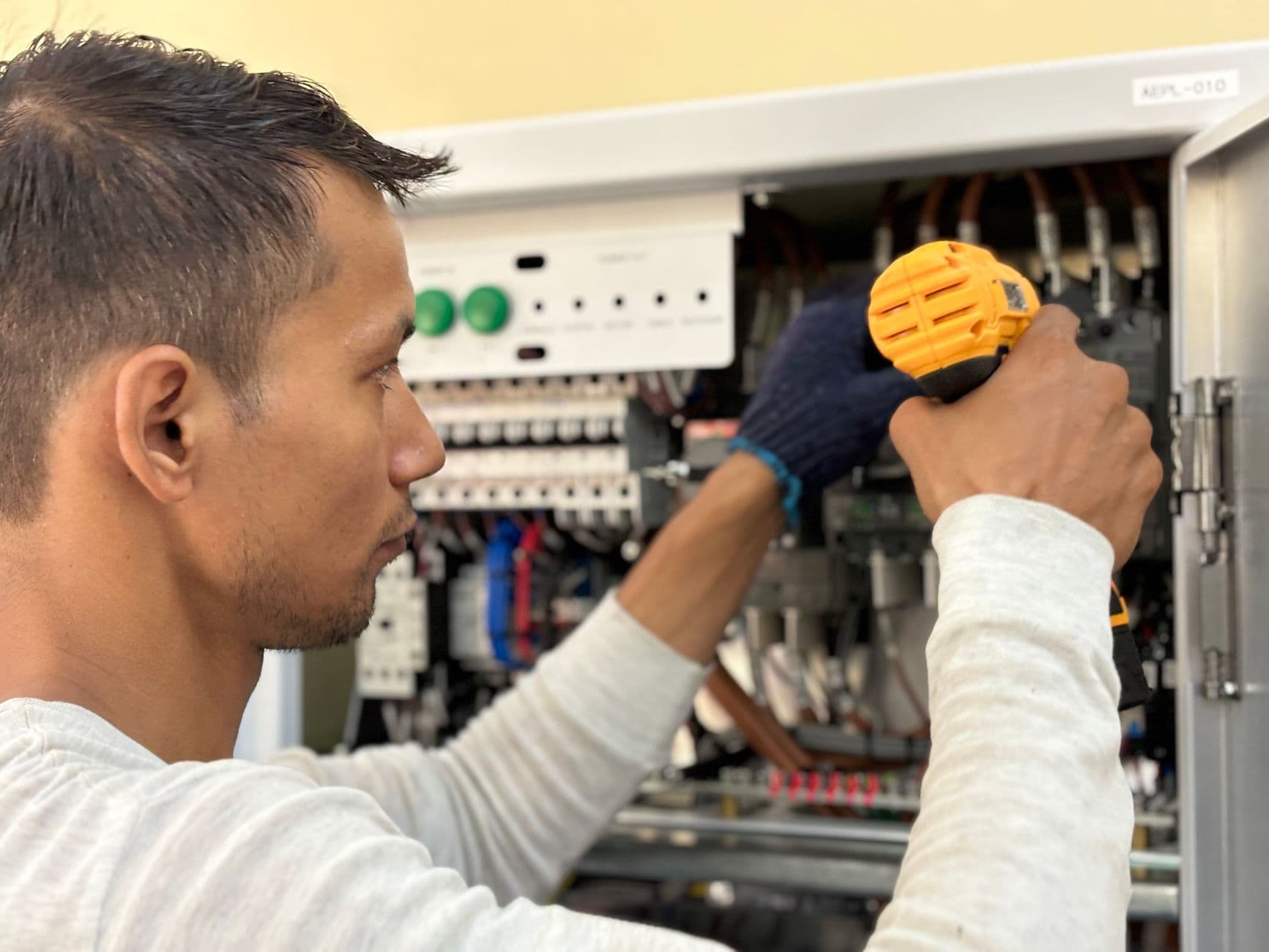
Independent elevator maintenance companies typically charge 20-40% less than the original equipment manufacturers, and in most buildings they can deliver equal or better service, but there are specific situations (proprietary controllers, warranty periods, certain modernizations) where OEM involvement is genuinely the right call.
Independent elevator service companies typically run 20-40% less than the original equipment manufacturer (OEM) for comparable maintenance coverage, and in the majority of buildings we review, independents deliver equal or better responsiveness. That said, this isn't a universal rule. Equipment age, proprietary technology, and warranty status can all tip the math back toward the OEM, and understanding which situation you're in matters more than picking a side.
What "OEM" and "Independent" Actually Mean
The OEMs are the manufacturers, KONE, Otis, TK Elevator (TKE), Schindler, Mitsubishi Electric, and Fujitec among them. They install equipment and also offer ongoing maintenance contracts. Independent service companies are third-party firms that maintain elevators regardless of who built them. Some independents are small, local shops with three technicians. Others are regional or national companies with hundreds of mechanics and decades of history.
The confusion building owners run into is assuming "independent" means "unqualified." In our experience, that's rarely true. Most independent technicians trained at an OEM before going independent, and many hold the same state licenses and NAEC certifications.
The Price Difference Is Real, But Not Automatic
Across the proposals we review, OEM maintenance contracts for a mid-rise passenger elevator commonly land somewhere in the $250-$450 per month range depending on region and unit type, while independent contracts for the same scope often come in 20-40% lower. On a building with six elevators, that gap adds up to real annual savings.
But the discount isn't free money. A few things drive it:
- Lower overhead. Independents typically carry less corporate structure, which shows up in labor rates.
- Different parts sourcing. Independents often use aftermarket or rebuilt parts for common wear items, which cost less but aren't always identical to OEM parts.
- Route density. A local independent with three buildings on your block can service you more efficiently than a national OEM technician covering a 40-mile territory.
The savings are legitimate. Just don't assume the cheapest bid is automatically the best deal. If you're comparing multiple proposals, our guide on how to get competitive elevator bids walks through making sure you're comparing equivalent scope, not just line-item totals.
Parts Access: Where It Gets Complicated
This is the single biggest legitimate advantage OEMs hold, and it depends heavily on your equipment's age and controller type.
Newer OEM equipment, especially anything installed in the last 10-15 years, often runs on proprietary software and controller boards that only the manufacturer can fully service or diagnose without a workaround. Independents can usually maintain these systems for routine work, but major controller failures or software updates may require OEM involvement, sometimes at a premium.
Older equipment, particularly units 20+ years old with more standardized components, is generally wide open to independent service. Parts are more commercially available, and there's less proprietary lock-in.
If your building is weighing a full modernization, this parts-access question becomes even more important, because the controller you choose during modernization determines who can service the elevator for the next 20 years. Our elevator modernization cost guide covers how those decisions play out financially.
Technician Quality: Less Black-and-White Than People Think
We've seen excellent technicians and mediocre ones at both OEMs and independents. Company size and brand name don't reliably predict who shows up to your building. What predicts quality more reliably:
- How many buildings that specific technician or team currently services (overloaded techs miss things)
- Whether the company has a dedicated technician assigned to your building or rotates staff
- Response time history, which you can usually get by asking for call-back data from your current contract
- Local reputation, which property managers in your area can often speak to directly
In our experience, a well-run independent with a stable, experienced local team often outperforms an OEM branch that's short-staffed or covering too large a territory. The reverse is also true. This is a "check the specific branch and team," not a "check the logo," decision.
When OEM Service Is Genuinely the Right Call
There are real scenarios where sticking with the OEM makes sense, not just habit:
- Active warranty periods. If your elevator was recently installed or modernized, using a non-OEM servicer may void warranty coverage on major components. Read the warranty language carefully.
- Highly proprietary newer systems. Some current-generation controllers and destination dispatch systems are difficult for independents to fully support without OEM software access.
- Complex modernizations in progress. If you're mid-project on a major modernization, continuity with the installing OEM often reduces coordination headaches, at least through completion and startup.
- Specialty equipment. Unusual configurations (double-deck elevators, high-speed hoistway systems) sometimes have a smaller pool of qualified independent servicers.
Outside of these situations, the case for automatically defaulting to OEM service weakens considerably.
How to Actually Decide for Your Building
Start with your equipment inventory: age, controller brand, warranty status, and any known proprietary components. Then get quotes from both an OEM and at least one qualified independent for the identical scope of work. Compare not just price but response time guarantees, parts sourcing language, and callback fee structures. Our breakdown of what's actually included in an elevator maintenance contract is a good checklist to bring to that comparison.
If you're staring at a proposal right now and can't tell whether the price or scope makes sense, that's exactly the gap we built our review service to fill. For $499 flat rate, we'll give you an independent, no-strings read on any elevator proposal, contract, or invoice, OEM or independent, and tell you plainly where you're overpaying or under-protected. You can request that review at /elevator-consultation-request.
Frequently Asked Questions
Will switching from OEM to independent void my warranty?
It depends on the warranty language and how recently the equipment was installed. Active installation or modernization warranties often require OEM service to stay valid, so check the specific clause before switching. Older equipment out of warranty typically has no such restriction.
Are independent technicians as qualified as OEM technicians?
Many independent technicians trained at an OEM before going independent and hold the same state and industry certifications. Quality varies by specific branch and team on both sides, not by whether the company is an OEM or independent.
How much can I realistically save switching to an independent?
Across the proposals we review, savings of 20-40% on comparable maintenance scope are common, though the exact figure depends on your region, equipment count, and current contract terms.
Can independents service brand-new elevators?
Usually yes for routine maintenance, but major diagnostics or software work on newer proprietary controllers sometimes requires OEM involvement. This gap narrows as equipment ages and third-party diagnostic tools catch up.
Should I ever mix OEM and independent service across one building?
It's possible but adds coordination complexity, and we generally see it work best in larger buildings with mixed equipment ages rather than as a routine strategy. If you're considering it, get clear on who's responsible for what in writing.
This article is general information, not legal advice; have an attorney review contract language before signing.
Elevator Insight provides professional opinion based on the information provided. We are not an inspector, contractor, or installer.
Disclaimer: Evaluations by Elevator Insight are a professional opinion based on the information provided. We are not an inspector, contractor, or installer.