
city-costs
Elevator Maintenance Cost in Houston: 2026 Guide
By Daniel Van Mil · July 30, 2026 · 7 min read
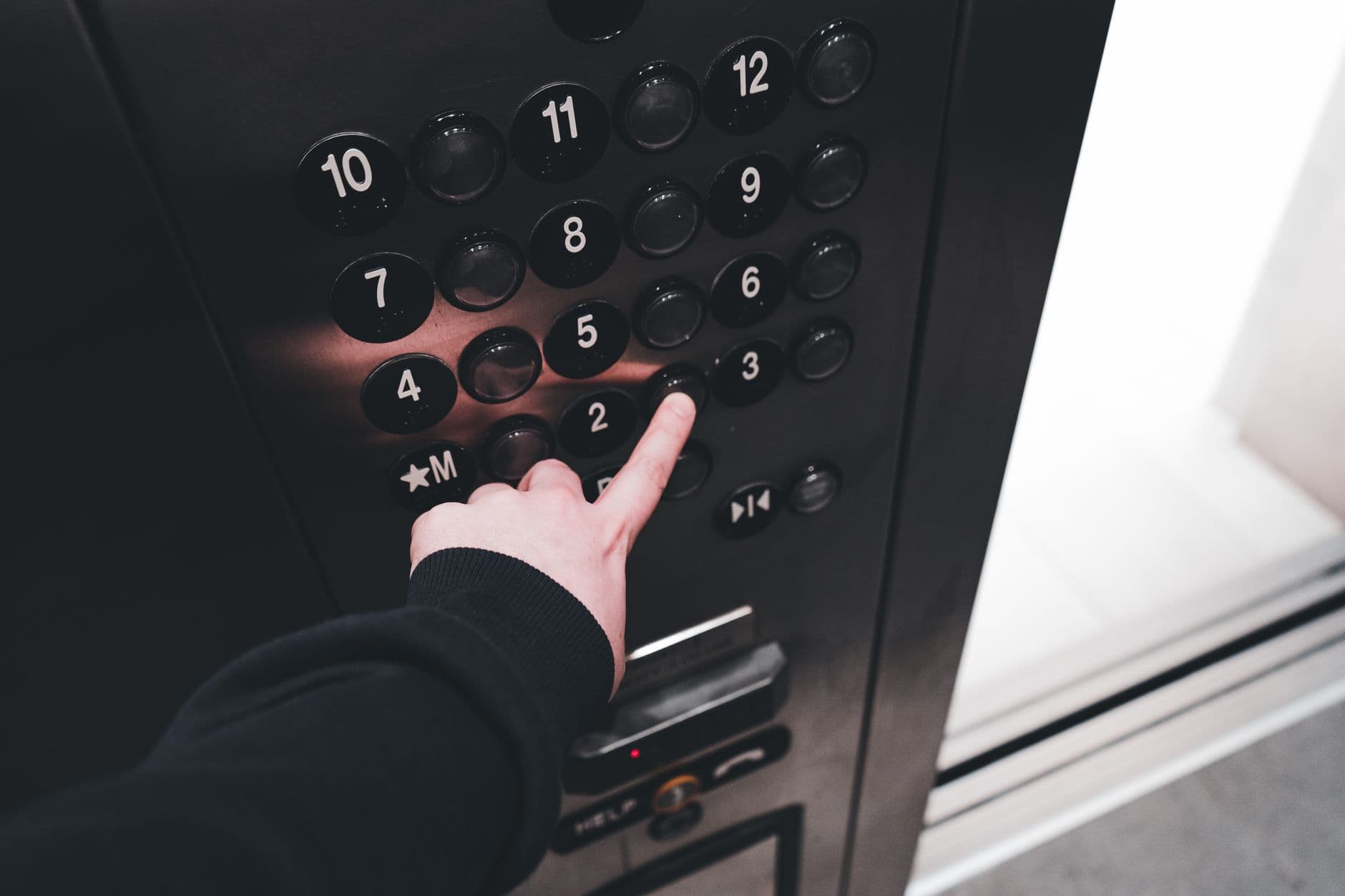
Elevator maintenance in Houston typically runs $180 to $450 per unit per month for a standard full-maintenance contract in 2026, with medical buildings and older hydraulic units at the higher end and multifamily properties usually at the lower end.
Elevator maintenance in Houston typically runs $180 to $450 per unit per month for a standard full-maintenance contract in 2026. Office buildings and multifamily properties tend to land toward the lower end of that range, while medical facilities and buildings with older hydraulic equipment run higher. Actual pricing depends on equipment age, contract type (full-maintenance vs. oil-and-grease), unit count, and whether your building sits in a flood-prone zone that requires upgraded pit and controller protection.
Houston's labor market and building stock are different enough from other major Texas and U.S. cities that generic national pricing guides don't hold up well here. Below is what we typically see when reviewing Houston-area proposals, and where owners tend to overpay.
Houston's Non-Union Labor Market Changes the Math
Unlike Chicago, New York, or even Dallas in some pockets, Houston has a smaller union (IUEC) footprint relative to the total elevator mechanic workforce. Many contractors, including some regional and independent shops, staff jobs with non-union mechanics who bill at lower hourly rates.
That generally pushes base maintenance pricing down 10-20% compared to heavily unionized markets. In our experience, this is one of the few places where a lower headline price genuinely reflects lower labor cost rather than a stripped-down scope. But it cuts both ways:
- Non-union mechanics still must be individually licensed through TDLR (Texas Department of Licensing and Regulation), so licensing isn't the differentiator. Experience and training pipeline is.
- Smaller, newer contractors sometimes win Houston bids on price alone, then struggle with parts sourcing or response times once they have more buildings than technicians.
- Larger national firms (Otis, KONE, Schindler, TK Elevator) operate in Houston with a mix of union and non-union labor depending on the contract, and their pricing usually reflects broader overhead rather than local labor cost alone.
The practical takeaway: don't assume the lowest bid is corner-cutting, and don't assume the highest bid buys you better service. Check the contractor's actual technician count and coverage area for your building's zip code before signing anything.
TDLR Inspection Requirements and What They Cost You
Texas doesn't leave elevator inspection to individual cities. TDLR regulates elevator installation, maintenance, and inspection statewide, and Houston buildings fall under those rules with no separate city-level inspection layer.
Key requirements building owners should budget around:
- Annual inspections are required for most passenger and freight elevators, performed by a TDLR-licensed inspector.
- A Certificate of Compliance must be issued and posted after a passing inspection; operating past an expired certificate can trigger fines.
- Inspection fees themselves typically run $150 to $300 per unit, separate from any repairs needed to pass.
The bigger cost driver isn't the inspection fee, it's what fails. We've seen buildings get hit with $3,000 to $15,000 in unexpected repair costs after a TDLR inspector flags governor rope wear, door restrictor issues, or outdated firefighter's service that wasn't caught during routine maintenance visits. A maintenance contract that includes proactive code-compliance checks, not just breakdowns, is worth more than one that's a few dollars cheaper per month. If you're unsure what your current contract actually covers, our guide on what's actually included in an elevator maintenance contract walks through the scope items that commonly get left out of the fine print.
Flood Zones Change What You Should Be Paying For
This is the piece of Houston-specific pricing that catches a lot of owners off guard. Large sections of Houston sit in FEMA flood zones, and after Harvey, many buildings learned the hard way that a flooded elevator pit is not a minor repair, it's often a full controller and hoistway equipment replacement running $20,000 to $80,000 per unit depending on equipment type.
If your building is in or near a designated flood zone, your maintenance contract and capital plan should account for:
- Elevated or relocated controllers, moved above known flood elevation where feasible
- Submersible sump pumps in pits, with maintenance and testing included in the contract
- Pit flood sensors that shut down the elevator automatically before water reaches critical components
- Insurance carrier requirements, since some policies now price flood-zone elevator coverage differently based on documented mitigation
These upgrades add cost to a maintenance or modernization contract, typically a few thousand dollars in one-time work plus a modest bump in the monthly rate for pump testing. But compared to a full equipment loss after a flood event, it's inexpensive insurance. This is also a factor worth flagging if you're weighing broader equipment decisions; our elevator code requirements guide covers how local hazard conditions can trigger mandatory upgrades even outside a full modernization.
Typical Maintenance Cost Ranges by Building Type
Based on proposals we've reviewed across the Houston metro, here's what's typical per elevator, per month, for full-maintenance coverage in 2026:
- Office buildings: $200 to $350. Lower-traffic, standard traction equipment, business-hours usage.
- Multifamily properties: $180 to $300. Often hydraulic units in mid-rise buildings, fewer callbacks per unit but more units per property.
- Medical/healthcare buildings: $350 to $550. Higher usage cycles, stricter code requirements, backup power integration, and less tolerance for downtime all push this range up.
These are typical market ranges, not guarantees, and the spread within each category is wide. A 40-year-old hydraulic unit in a flood zone will cost meaningfully more to maintain than a 5-year-old traction elevator in a dry, inland office park, even in the same building type category.
What Drives Price Beyond the Base Contract
A handful of variables move Houston maintenance pricing more than anything on a glossy proposal cover page:
- Full-maintenance vs. oil-and-grease. Full-maintenance contracts cover parts and labor for most repairs; oil-and-grease contracts cover only routine lubrication and adjustment, leaving repairs billed separately. The monthly rate looks lower on oil-and-grease, but total annual cost is often higher once you factor in repair invoices.
- Callback response time. Contracts promising 2-hour response in a metro as large as Houston sometimes can't realistically deliver that outside the inner loop. Ask where the servicing technician is based relative to your building.
- Number of units on one contract. Multi-building portfolios usually get better per-unit pricing than single standalone buildings.
- Escalators, if you have them. Escalator maintenance runs separately from elevator pricing and typically costs more per unit due to component complexity.
If you want a structured way to compare multiple bids apples-to-apples, our guide on getting competitive elevator bids and our pricing benchmarks article are good starting points before you sign anything.
If you already have a proposal in hand and want a second opinion before committing, we offer a $499 flat-rate independent review of any elevator maintenance contract, repair quote, or modernization proposal. We're not tied to any manufacturer or contractor, so the read is strictly about whether the pricing and scope are fair for your building.
Frequently Asked Questions
How often does TDLR require elevator inspections in Houston?
Most passenger and freight elevators need a TDLR-licensed inspection annually, with a Certificate of Compliance issued and posted after passing. Operating with an expired certificate can result in fines and, in some cases, a required shutdown until compliance is restored.
Is non-union labor actually cheaper for elevator maintenance in Houston?
Generally yes, non-union labor tends to run base rates 10-20% below heavily unionized markets. That said, all mechanics working on Texas elevators must be individually licensed through TDLR regardless of union status, so the real differentiator is the contractor's staffing depth and response coverage, not the labor classification itself.
Does being in a flood zone increase my elevator insurance costs?
It can. Some insurance carriers now price elevator-related coverage differently based on documented flood mitigation, like elevated controllers or pit sensors, so investing in those upgrades can offset part of the added premium over time.
What's a fair maintenance price for a Houston medical building?
Expect $350 to $550 per unit per month for full-maintenance coverage, reflecting higher usage cycles and stricter code and backup-power requirements. Buildings with older equipment or heavy 24/7 traffic can run above that range.
Should I choose a full-maintenance or oil-and-grease contract?
Full-maintenance contracts cost more monthly but bundle most repairs into the flat rate, which tends to be more predictable over a multi-year term. Oil-and-grease contracts look cheaper upfront but bill repairs separately, and total annual cost often ends up higher once you add invoices for parts and labor.
This article is general information, not legal advice; have an attorney review contract language before signing.
Elevator Insight provides professional opinion based on the information provided. We are not an inspector, contractor, or installer.
Disclaimer: Evaluations by Elevator Insight are a professional opinion based on the information provided. We are not an inspector, contractor, or installer.