
code-compliance
Elevator Inspection Requirements: How Often and Who Pays
By Daniel Van Mil · August 8, 2026 · 7 min read
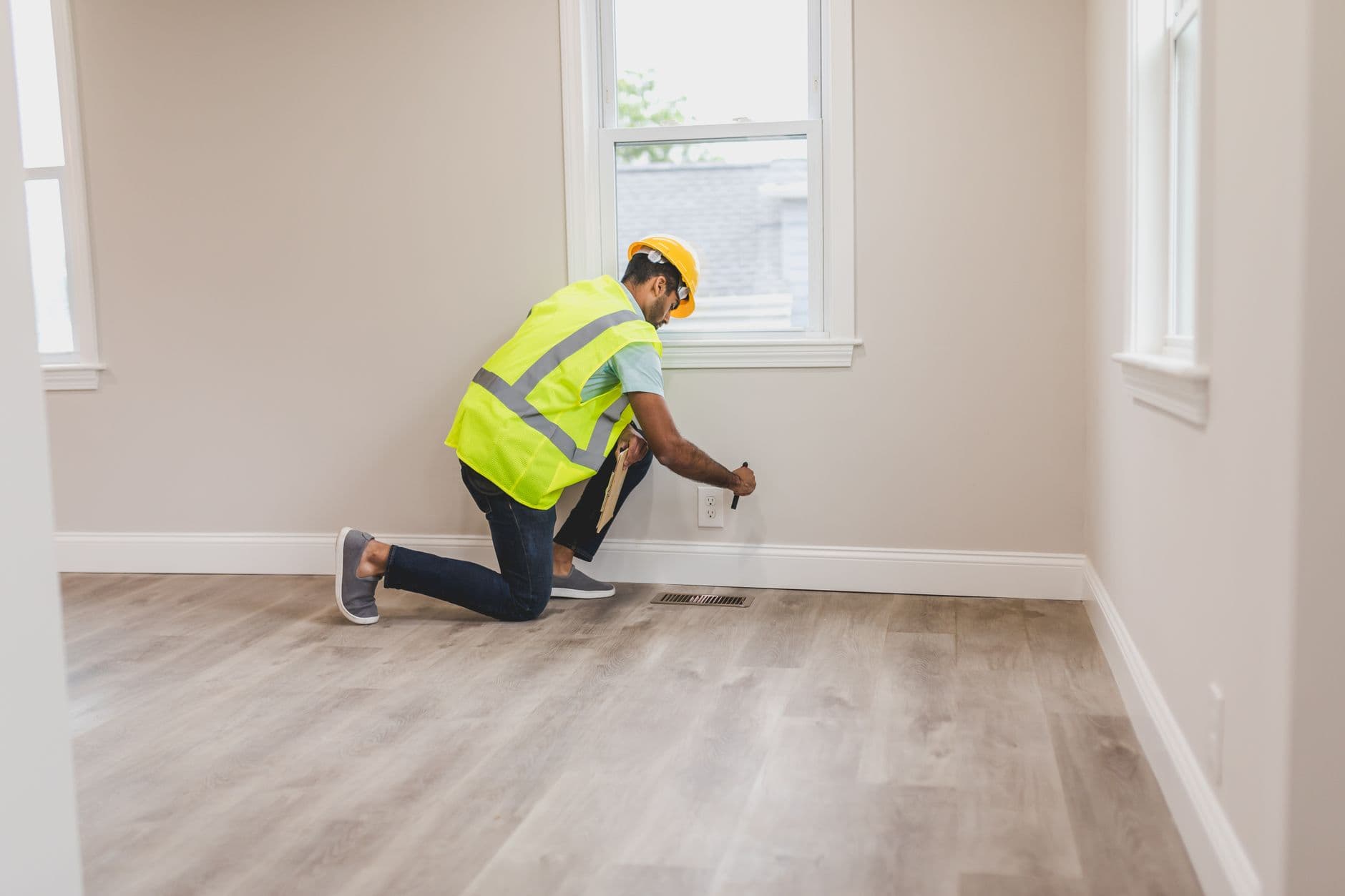
Most elevators need an annual Category 1 inspection and a Category 5 load test every five years, and the building owner is almost always financially responsible for both, even when the maintenance contractor performs or arranges the work.
Elevators in the United States are required to be inspected annually at minimum (Category 1), with a more intensive Category 5 load test required every five years. Building owners are responsible for the cost of both, whether the work is performed by their maintenance contractor, a third-party testing firm, or a mix of both. The specifics, timing, and who schedules what, vary by jurisdiction and by what's written into your maintenance contract.
I've reviewed hundreds of maintenance contracts and invoices over 24 years in this industry, and inspection billing is one of the most common sources of confusion I see. Owners often don't realize they're paying twice for the same test, or that a line item labeled "code testing" wasn't actually required that year. Let's break down the actual requirements.
The Basic Inspection Cadence
Most U.S. jurisdictions follow ASME A17.1 (the national safety code for elevators) combined with A17.2, which governs inspection and testing procedures. Under this framework:
- Category 1 inspection and test: performed annually. This covers safety devices, door operation, brakes, emergency communication, and general mechanical condition.
- Category 5 inspection and test: performed every five years. This is a full load test of the elevator, including running the car at rated capacity to verify the safeties, governor, and buffers function correctly under real load.
- Category 3 (hydraulic elevators): a five-year test specific to hydraulic systems, checking the cylinder and pressure relief valve.
Some cities and states layer additional requirements on top of the national code. New York City, for example, requires Category 1 tests annually and Category 5 tests every five years, but also mandates periodic inspections by the Department of Buildings on a separate schedule. Chicago, Illinois, and other jurisdictions have their own local amendments. If you own property in more than one city, don't assume the cadence is identical across your portfolio; it usually isn't.
What Category 1 and Category 5 Actually Cover
Category 1 is the routine annual check. A qualified inspector verifies that door reopening devices work, that the car levels properly at each floor, that emergency lighting and phone lines function, and that safety interlocks are intact. It's thorough, but it doesn't put the equipment under full mechanical stress.
Category 5 is different. It's a full load test, meaning weights (or a calibrated load) are placed in the car and the elevator is run through its paces at 100% and sometimes 125% of rated capacity to confirm the safety brake, governor, and buffer systems will actually catch the car in an overspeed or freefall scenario. This is more time-consuming, often requires the car to be taken out of service for several hours, and typically costs more than a standard annual inspection.
If your building has hydraulic elevators, add the five-year Category 3 test to your calendar as well. It's a separate line item from Category 5 and shouldn't be confused with it on an invoice.
Who Is a QEI, and Why It Matters
A QEI is a Qualified Elevator Inspector, someone certified through the National Association of Elevator Safety Authorities (NAESA) or a similar accredited body to perform code-mandated inspections and witness tests. In most jurisdictions, only a QEI-certified individual can legally sign off on Category 1 and Category 5 results submitted to the authority having jurisdiction (AHJ), which is usually your local or state elevator inspection department.
Here's a detail that trips up a lot of owners: your maintenance contractor's technicians perform the mechanical work involved in testing, but a QEI inspector, who may or may not work for that same contractor, has to independently witness and certify the results. In our experience, some maintenance companies employ in-house QEIs and bundle the inspection into the contract price. Others bring in a third-party QEI firm and pass that cost through to you as a separate invoice. Neither approach is wrong, but you should know which one your contract uses, because it changes what you're paying for and when.
Who Pays for What
This is where most disputes start. Here's how responsibility typically breaks down:
- Preparing the elevator for testing (mechanical adjustments, cleaning, minor repairs needed to pass): usually covered under a full-maintenance contract, but often billed as extra on a time-and-materials contract.
- The QEI inspection fee itself: almost always the building owner's cost, whether billed by the maintenance company or a separate third-party inspector.
- Permit or filing fees with the AHJ: the building owner's responsibility in nearly every jurisdiction.
- Repairs identified during the inspection: the owner pays for parts and labor unless your contract explicitly includes them, which is rare outside of comprehensive full-maintenance agreements.
- Witness fees for a third-party consultant (if you hire one to be present during Category 5 testing): the owner's cost, and one we think is worth it on aging equipment or before a major transaction.
A lot of this ambiguity gets resolved, or created, in the fine print of your maintenance agreement. If you haven't had your contract reviewed line by line, our guide on reading the fine print in an elevator maintenance contract walks through exactly where inspection responsibilities tend to hide.
Typical Costs
Pricing varies widely by region, equipment type, and building complexity, but here are the ranges we typically see:
- Category 1 annual inspection: $150 to $400 per elevator, though this is frequently bundled into full-maintenance contracts and not itemized separately.
- Category 5 load test: $800 to $2,500 per elevator, depending on capacity, accessibility, and whether weights need to be brought on-site.
- Category 3 hydraulic test: $500 to $1,500 per unit.
- Third-party QEI witness fee: $300 to $600 per test if you bring in independent oversight.
- Repairs found during testing: highly variable, from a $200 door sensor adjustment to several thousand dollars if governor or safety components need replacement.
One caution: if your invoice shows a Category 5 charge every year instead of every five years, or shows both a maintenance company inspection fee and a separate third-party fee for the same test with no explanation, that's worth questioning. We've seen both, and neither is automatically fraudulent, but neither should go unexplained either.
Understanding your maintenance contract's inspection language is also central to knowing what's actually included in your maintenance agreement versus what gets billed separately. And if a jurisdictional inspection turns up a code deficiency that triggers mandatory upgrades, it's worth reading our breakdown of what actually triggers mandatory code upgrades so you know whether you're looking at a $500 fix or a $50,000 modernization.
If you've received an inspection-related invoice, a testing proposal, or a maintenance contract renewal and you're not sure whether the pricing or scope is fair, that's exactly the kind of document our $499 flat-rate independent review is built for. We'll tell you plainly what's standard, what's inflated, and what questions to ask before you sign or pay. You can request one at /elevator-consultation-request.
Frequently Asked Questions
Do I need to schedule inspections myself, or does my maintenance company do it?
It depends on your contract. Full-maintenance agreements often include scheduling as part of the service, but you should confirm this in writing rather than assume it. Some contracts require the owner to initiate scheduling with the AHJ, and missing that deadline can result in fines.
What happens if my elevator fails an inspection?
The inspector will issue a list of deficiencies, and you'll typically have a set window (often 30 to 90 days depending on jurisdiction) to make repairs and pass a re-inspection. Repeated failures or safety-critical deficiencies can result in the elevator being shut down until fixed.
Can I use a different QEI than the one my maintenance contractor uses?
In most jurisdictions, yes. You're generally free to hire an independent QEI firm to perform or witness testing, separate from your maintenance provider. Some owners do this specifically to get an unbiased second set of eyes, particularly on aging equipment.
Are inspection requirements the same for a new elevator as an old one?
No. Newly installed or modernized elevators typically go through an initial acceptance test before being placed into service, in addition to the ongoing annual and five-year cycle. Older equipment may also face additional scrutiny if it hasn't been updated to newer code requirements.
Does a Category 5 test count as maintenance?
No. It's a code-required safety test, not routine maintenance, even though maintenance technicians usually perform the mechanical work involved. This distinction matters because some contracts bill it separately even under a "full maintenance" agreement.
This article is general information, not legal advice; have an attorney review contract language before signing.
Elevator Insight provides professional opinion based on the information provided. We are not an inspector, contractor, or installer.
Disclaimer: Evaluations by Elevator Insight are a professional opinion based on the information provided. We are not an inspector, contractor, or installer.