
Informational · For Property managers
ADA Elevator Compliance for Building Owners
By Daniel Van Mil · Updated June 25, 2026
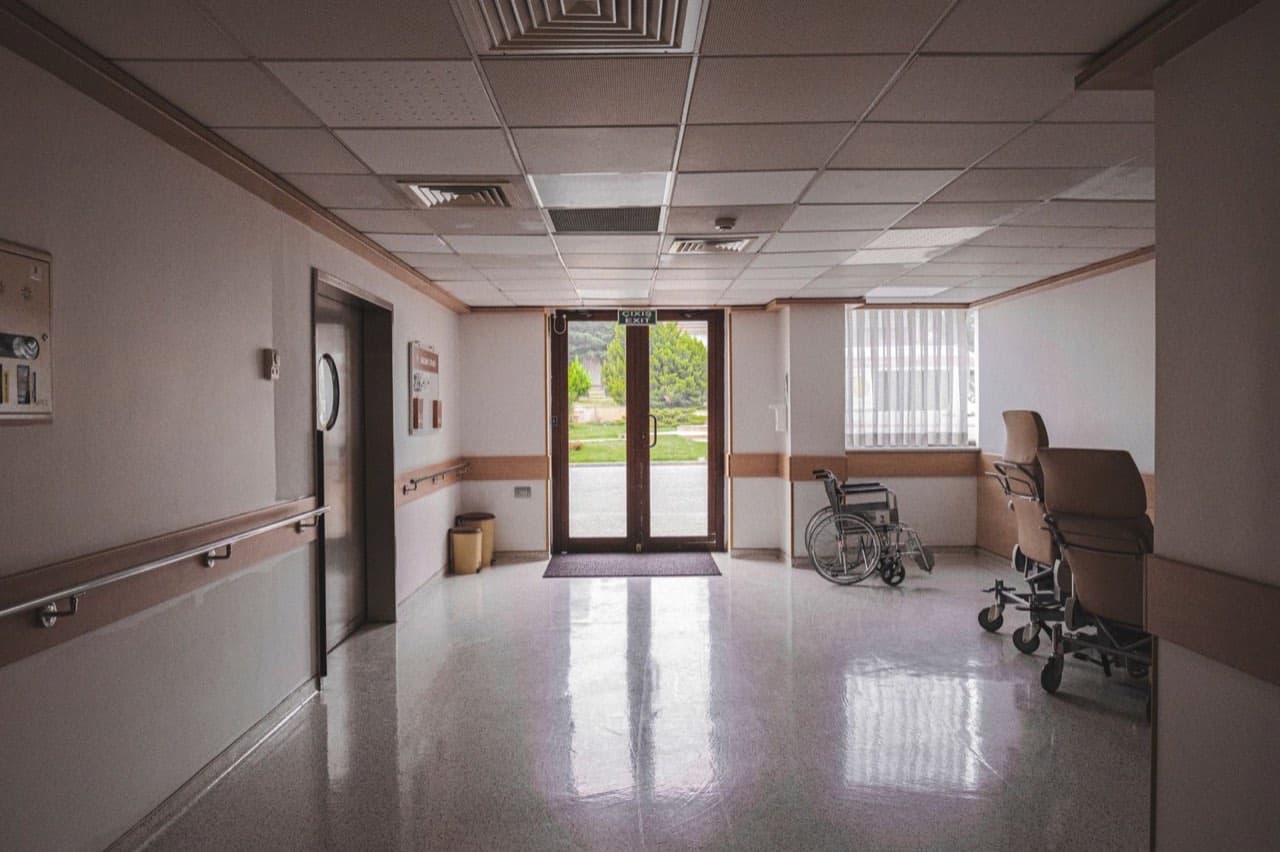
Accessibility obligations are a legitimate and important part of elevator management, but they are also frequently cited in proposals as justification for work that may not be required in the way it is presented. This guide explains what accessibility standards actually require for elevators, when those requirements apply, and how to meet your obligations without overpaying for upgrades framed as mandatory.
Understanding ADA Elevator Compliance
Elevator accessibility requirements stem from the Americans with Disabilities Act and related standards, which set criteria for elements such as car dimensions, control heights, signage, audible and visual signals, and door timing. As with safety codes, accessibility requirements for existing elevators are often triggered by alterations rather than applied retroactively to all equipment at once. New construction and major alterations carry the clearest obligations, while existing equipment is generally governed by readily achievable barrier removal and the conditions that trigger compliance.
Common Mistakes Property Managers Make
A common mistake is assuming every accessibility feature must be retrofitted immediately, when the actual obligation depends on the building type, whether alterations are occurring, and what is readily achievable. The opposite mistake is ignoring genuine accessibility obligations, which carries real legal exposure. A third is allowing accessibility framing to justify a broad modernization scope without confirming which specific elements are actually required.
An Independent Consultant's Perspective
An independent consultant helps owners meet genuine accessibility obligations while distinguishing them from optional upgrades presented under an accessibility banner. The goal is full compliance with what the law requires, without funding scope that is recommended rather than required. This is particularly valuable because accessibility is an area where owners are understandably reluctant to question a proposal.
Cost Considerations
Required accessibility work should be budgeted as non-negotiable. The cost discipline comes from accurately identifying which elements are genuinely required for your building and circumstances versus which are optional enhancements.
When to Seek an Independent Review
Seek guidance when accessibility is cited as the basis for significant work, when you are planning alterations that may trigger requirements, and when you want certainty about your obligations for a building you own or manage.
Get an Independent Elevator Review
Elevator Insight provides nationwide, independent elevator consulting and maintenance contract reviews for a flat $499. We help property managers, building owners, REITs, and facility directors determine whether elevator repair, modernization, or maintenance proposals are necessary and fairly priced — with no stake in the work being approved.
Visit elevatorinsight.io or contact daniel@elevatorinsight.io to get started.
Frequently Asked Questions
Does ADA require elevators in all buildings?
Not in all buildings. ADA elevator requirements depend on factors such as building type, size, number of stories, and whether new construction or alterations are involved. Existing buildings are often governed by readily achievable barrier removal.
When do ADA elevator upgrades become required?
Obligations are clearest for new construction and major alterations. For existing elevators, requirements are often triggered by alterations or governed by what is readily achievable rather than applied retroactively all at once.
Can accessibility be used to justify unnecessary elevator work?
It can be cited to support a broad scope. An independent consultant can confirm which specific accessibility elements are genuinely required versus which are optional enhancements presented as mandatory.
Related Reading
Disclaimer: Evaluations by Elevator Insight are a professional opinion based on the information provided. We are not an inspector, contractor, or installer.